AI can speak like us.
It can imitate tone, cadence, even emotion.
But beneath the illusion, today’s AI is still just a mirror—reflecting the internet, not the individual.
It’s built on billions of words, but it doesn’t know you.
It predicts the next token… not the next thought.
AHI changes that.
We’re building something profoundly different—
not the world’s average brain,
but your brain, digitized, augmented, and autonomous.
In collaboration with universities, global institutions, psychologists, neurologists, and computer scientists,
we’re creating a personalized digital brain—
a system that learns your intent, honors your values, and acts with your judgment.
AHI learns directly from you:
your voice, your micro-expressions, your choices, your context—
every subtle cue that makes you unique.
And it does so with privacy by design, so your data always remains yours.
This is not artificial intelligence.
This is Autonomous Human Intelligence.
Your AHI brain speaks in your voice.
It understands your goals, aligns with your ethics, and mirrors your decision-making.
It helps you think faster, decide smarter, and live freer.
Because real intelligence isn’t about computation—it’s about connection.
It’s about empathy, understanding, and the human context in which every decision is made.
AHI doesn’t replace you.
It amplifies you—
helping you spot biases, overcome limits, and accelerate growth.
It’s your judgment—enhanced.
Your creativity—expanded.
Your time—reclaimed.
Our mission is simple, yet revolutionary:
to give every human being a digital brain that truly knows them.
That learns faster, adapts deeper, and empowers life itself.
AHI. Your mind—evolved.

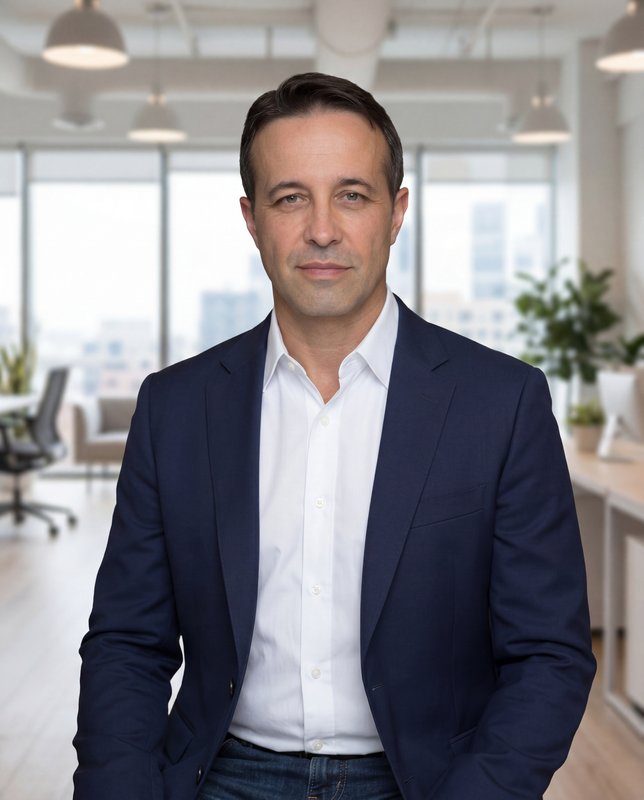
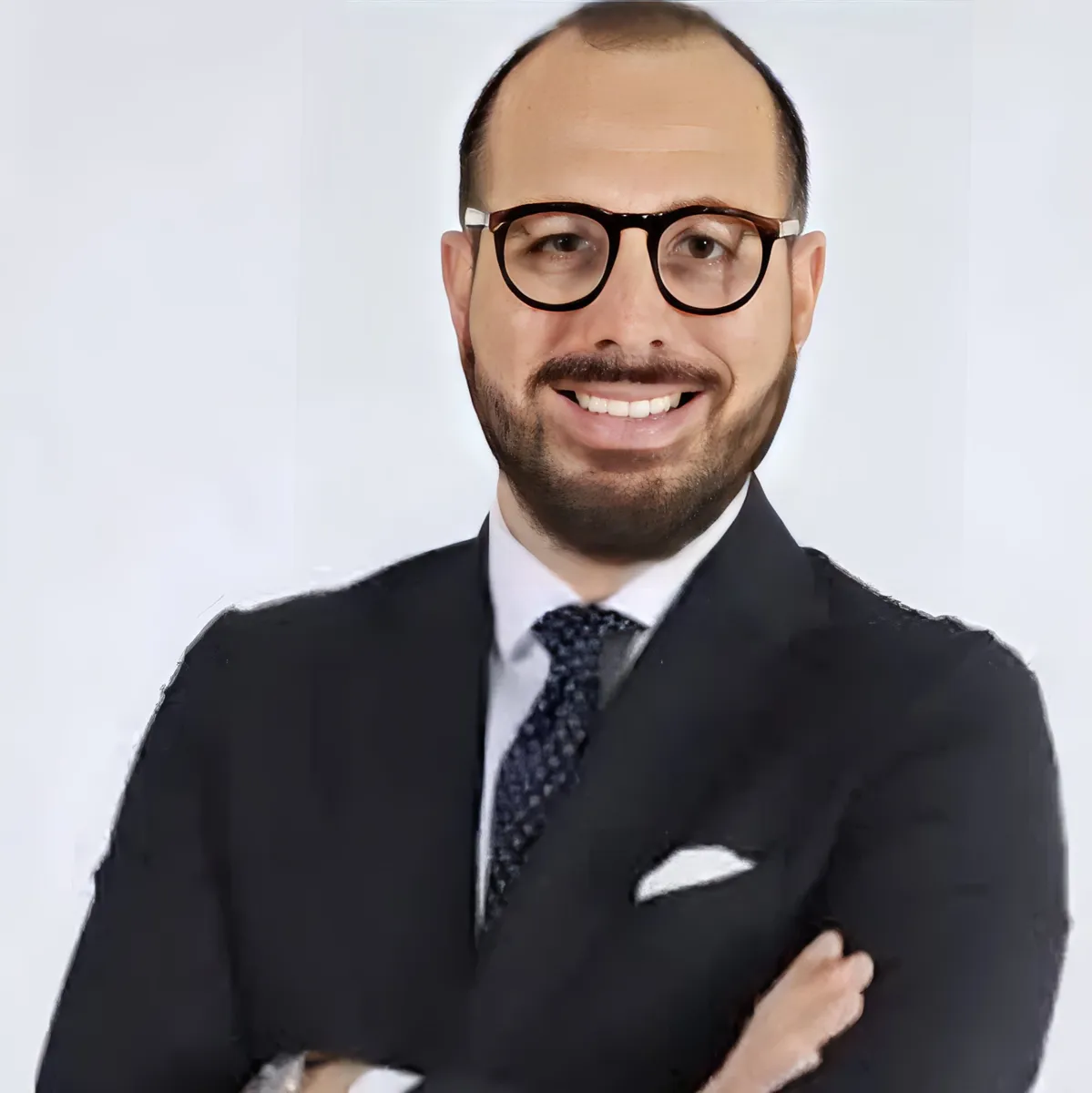
Dr. Agostino Sibillo
Dr. Agostino Sibillo is the Founder & CEO of AHI Corp (Autonomous Human Intelligence) and CEO & Co-Founder of Nexum Lab LLC. An Italian-American computer scientist, inventor, and lawyer by training, he holds a PhD in Software Engineering and has spent over two decades at the foundation of cloud infrastructure and AI systems.
Inventor and Patent Holder
Dr. Sibillo is the inventor of two issued U.S. patent families — one in augmented reality geolocation encryption (US9,940,477) and one in laser-based secure data transmission (US11,671,407B2) — both filed in areas where no prior art existed at the time of filing. He is currently developing next-generation IP in human-centered AI, working toward what he believes is the most important emerging category in artificial intelligence: Emotional AI — systems that model individual human cognition and emotional state in real time.
Published Author and Peer-Reviewed Researcher
Dr. Sibillo co-authored "Public Health and AI: Health Neural Network" with Professor Walter Ricciardi in the Journal of Public Health Policy (Springer/Nature, September 2023; PubMed indexed, PMID: 37407811). He is the author of the chapter "L'Ospedale del Futuro" ("The Hospital of the Future") in Navigare la Complessità nell'Ospedale del Futuro(Idelson-Gnocchi, 2024), edited by Walter Ricciardi, Carlo Favaretti, and Patrizia Laurenti — the book from which his chapter's title is drawn. Additional research is forthcoming with Oxford University Press.
Plenary Speaker and Lecturer
Dr. Sibillo has delivered plenary addresses at leading international scientific and policy forums, including:
International Recognition
Dr. Sibillo is listed in Marquis Who's Who in America as one of the world's leading computer scientists. His work has been featured on Amazon Prime's Advancements series with Ted Danson, which highlighted his innovations in augmented reality-enhanced healthcare applications, including next-generation MRI and CT-SCAN technology. His contributions have also been covered by Italian national broadcasters RAI1, RAI2, and RAI3.
Current Work
As Founder & CEO of AHI Corp, Dr. Sibillo is building the Digital Brain — a persistent, adaptive AI platform that models individual human cognition for real-time intent inference and the Neural Economy. AHI Corp is backed by New Generation Equity Fund (Bank of New York) at a $1.2 billion valuation. He leads AHI Corp from San Francisco and Nexum Lab LLC, headquartered in Riverside, California.

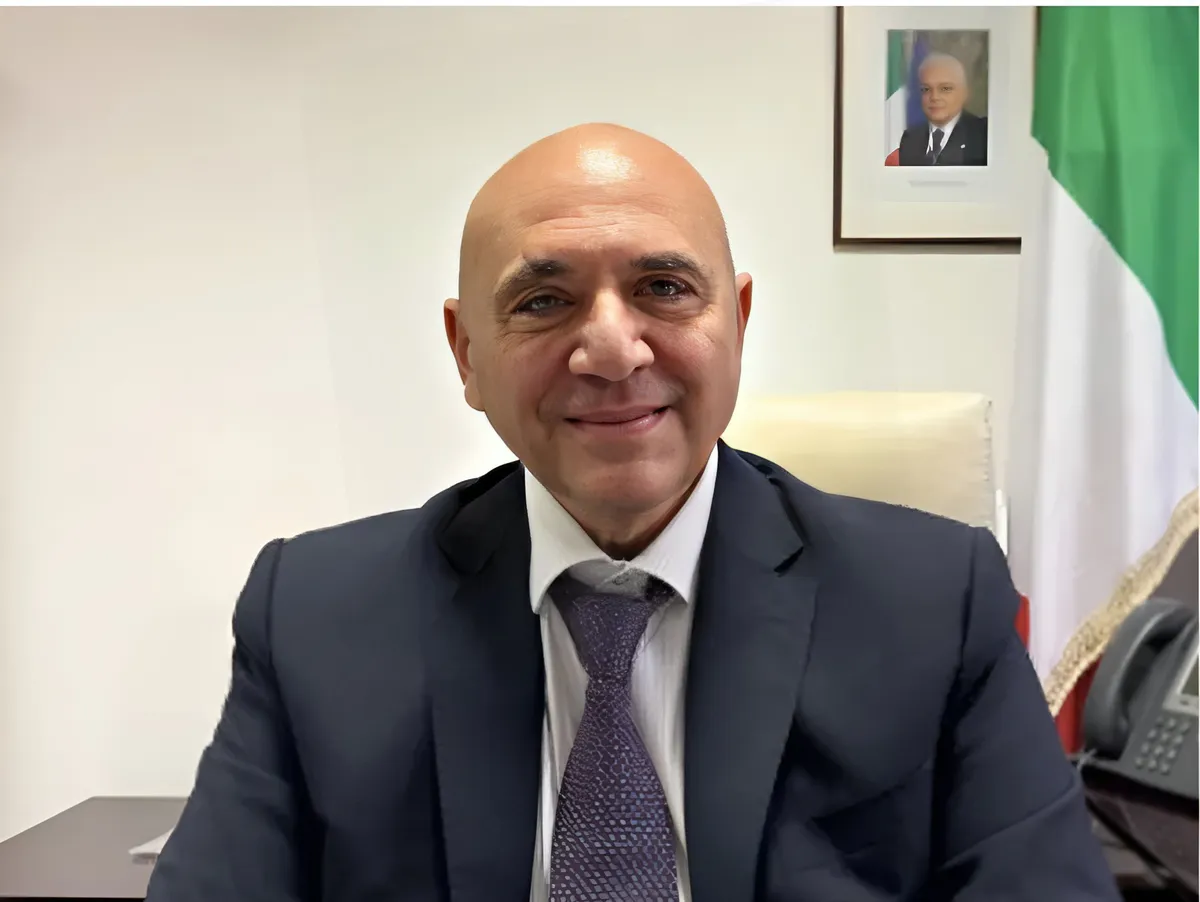
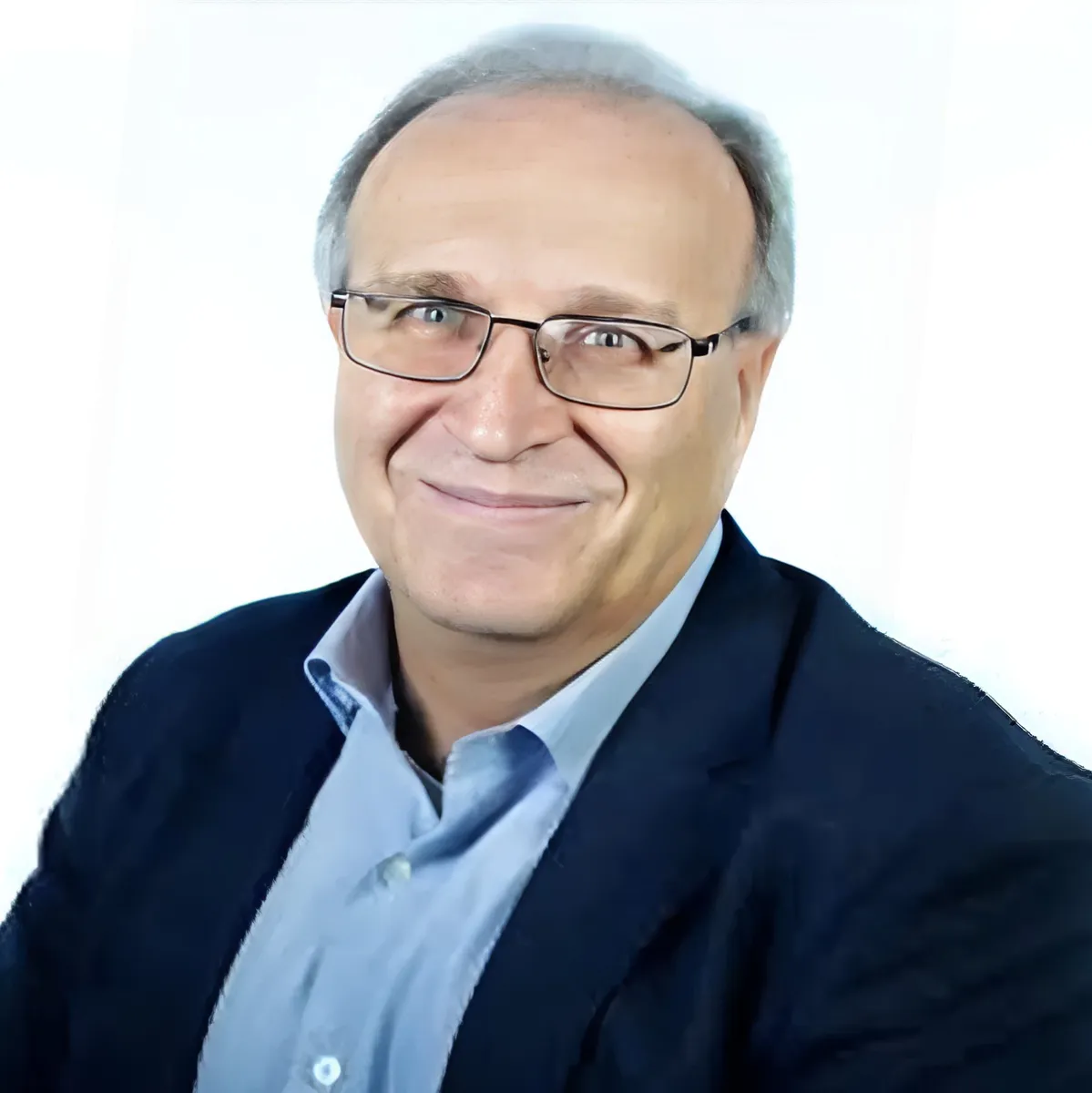
President of ANVUR's Governing Board since January 7, 2020 Professor Antonio Felice Uricchio is a Full Professor of Tax Law at the University of Bari "Aldo Moro" (currently on leave following his appointment at ANVUR). He has served as President of ANVUR's Governing Board since January 7, 2020, a position he assumed after being appointed as a Board member on June 19, 2019, by Decree of the President of the Republic. With his extensive academic and managerial experience, he has introduced a strategic vision focused on innovation and quality in the evaluation of the university and research system. From 2013 to 2019, Professor Uricchio was Rector of the University of Bari "Aldo Moro", where he played a key role in modernizing and internationalizing the institution. Under his leadership, the university expanded its research and educational programs, focusing on inclusivity and global collaborations. During his tenure, he also served as President of the Regional University Coordination Committee (CURC), which brings together the universities of Puglia, and led the Department of Legal and Economic Systems of the Mediterranean.Throughout his career, he has held a variety of significant positions, including: Dean of the Second Faculty of Law at the University of Bari, Vice Director of the Department for the Study of Mediterranean Societies, Director of the Department of Legal and Economic Systems of the Mediterranean, Member of the Academic Senate, where he chaired several important committees on patents, environmental policies, internationalization, and budgeting. Professor Uricchio has taught Tax Law in numerous degree programs, including those at the Department of Law and the Department of Economics, Management, and Business Law. His teaching experience extends beyond Italy, as he has been invited to lecture at universities in Argentina, Spain, Poland, and Albania. He currently teaches at the Our Lady of Good Counsel University in Tirana. His international outlook has led him to collaborate with institutions worldwide, and he has frequently been invited as a speaker at international conferences and seminars. He also directed the Buenos Aires Legal Exchange Academy, strengthening academic ties between Italy and Latin America. In Italy, he has contributed to postgraduate education by teaching in advanced tax law programs at top universities such as: University of Bari, Bocconi University, Università Cattolica del Sacro Cuore (Milan), University of Bologna (Alma Mater Studiorum). Beyond his academic roles, Professor Uricchio has worked closely with public institutions, including: Guardia di Finanza (Italy’s Financial Police), School of Advanced Studies in Economics and Finance, National School of Public Administration. He has also coordinated master’s programs and high-level training initiatives on topics such as environmental crimes, eco-mafia, customs law, and money laundering. His research and institutional involvement include serving as: Coordinator of a PhD program on Public Administration, Economics, and Environmental Governance, Faculty member of a PhD program in Rights, Economy, and Mediterranean Cultures. In addition, he has played a crucial role in evaluating and improving Italy’s university system. Between 2011 and 2014, he was a member of ANVUR’s Evaluation Group (GEV) for Research Quality Assessment (VQR) in the Legal Area.

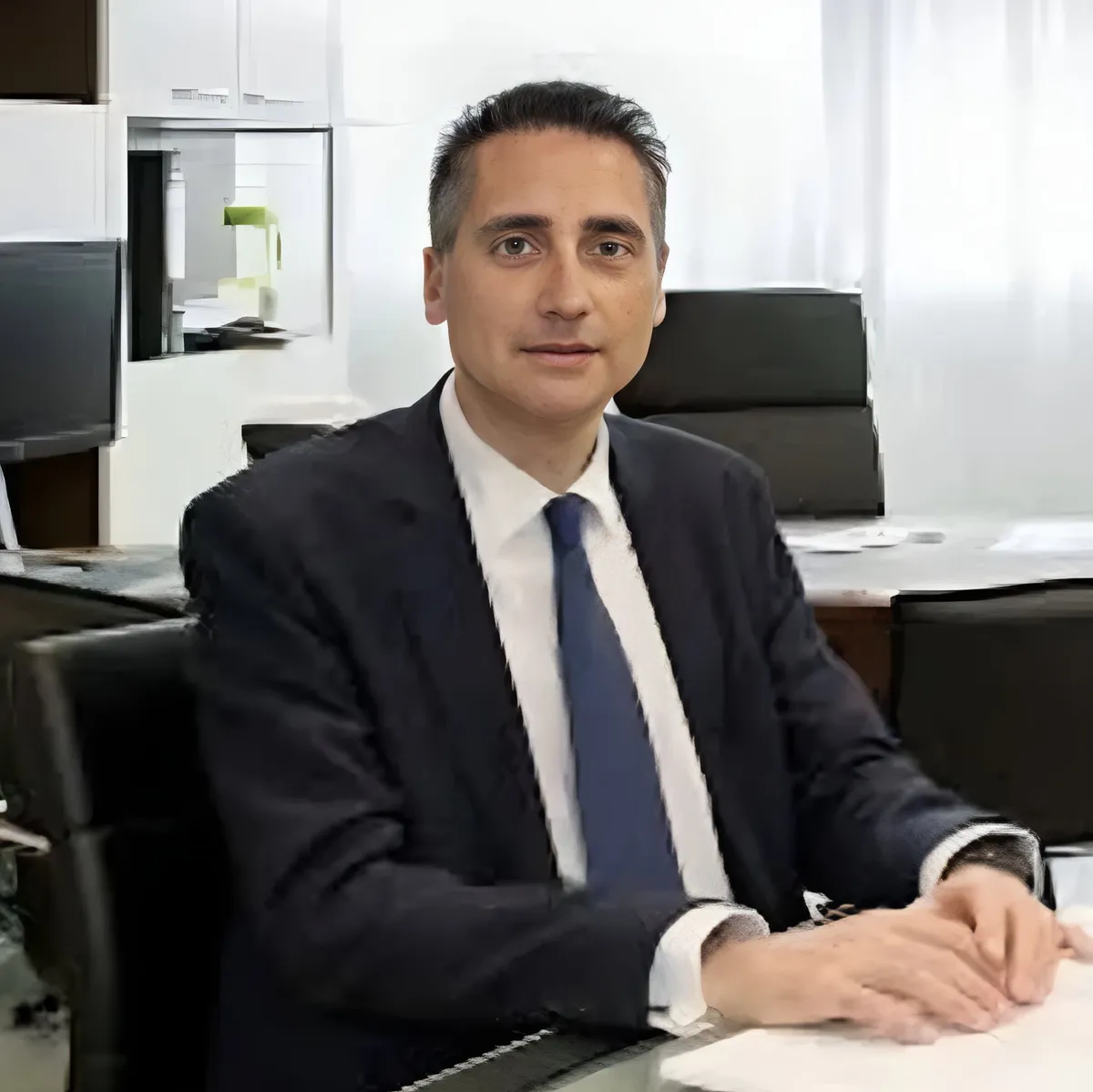
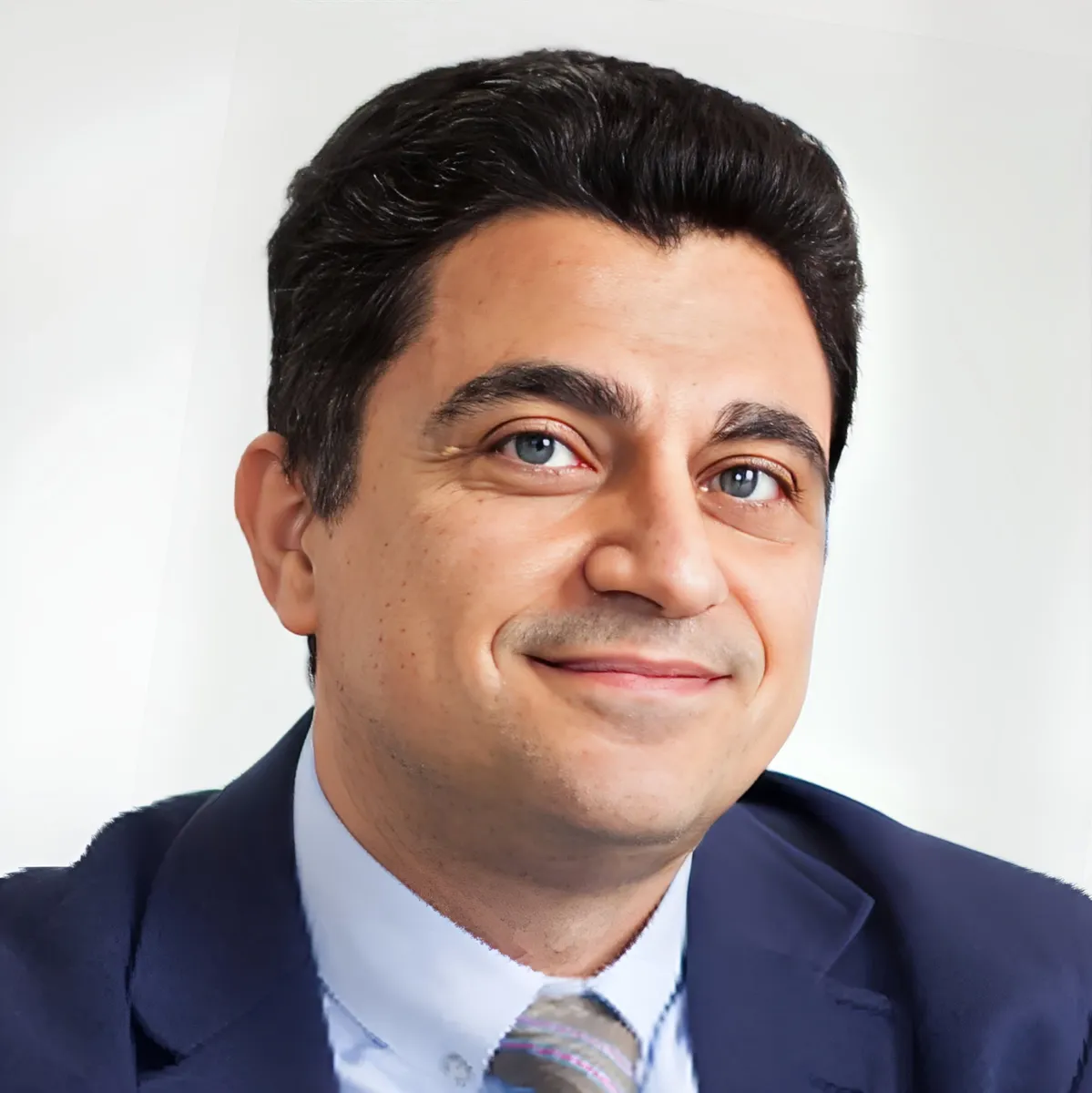
Professor of Communication Pedagogy, Director.of the Master in Intelligence, University of Calabria; Professor of Pedagogy of Communication at the University of Calabria, where he directs the Master in Intelligence and the Laboratory in Intelligence. For twenty years he has been promoting the study of intelligence in the Italian Universities. Full Professor (Professore Ordinario), Pedagogy of Communication, Department of Cultures, Education and Society (Dipartimento di Culture, Educazione e Società – DiCES), Università della Calabria. unical.it+1Director of the Master in Intelligence and the Intelligence Laboratory (Laboratorio in Intelligence) at the Università della Calabria. Eurispes+1 President, Società Italiana di Intelligence (2018- present). DEV CyberSec2022+1 (Earlier) Regional Minister of Culture & President of a National Council of Culture (per some sources) – note: some roles reported in journalism. Aspenia Online In 1999 at the Università della Calabria, he introduced the study of intelligence within the teaching of “Theory and Techniques of Public Communication”. DEV CyberSec2022+1 In 2007 he launched the first Master in Intelligence in a public Italian university (Università della Calabria) on request of former President of the Republic Francesco Cossiga. DEV CyberSec2022 In 2008 he founded the scientific laboratory on Intelligence (Laboratorio scientifico sull’Intelligence) at the same university. DEV CyberSec2022 In 2009 he created an editorial series on intelligence with Rubbettino publishers. DEV CyberSec2022 In 2018 he contributed to activating the Master’s degree (laurea magistrale) in Intelligence and Risk Analysis, also first of its kind in Italy. DEV CyberSec2022 Intelligence studies (theory, history, analysis) particularly in the Italian and comparative context. Taylor & Francis Online Public/institutional communication, pedagogy of communication, the “society of disinformation”. unical-it.academia.edu The intersection of intelligence, democracy, security, law. (E.g., works on intelligence & law, intelligence & magistrature). DEV CyberSec2022

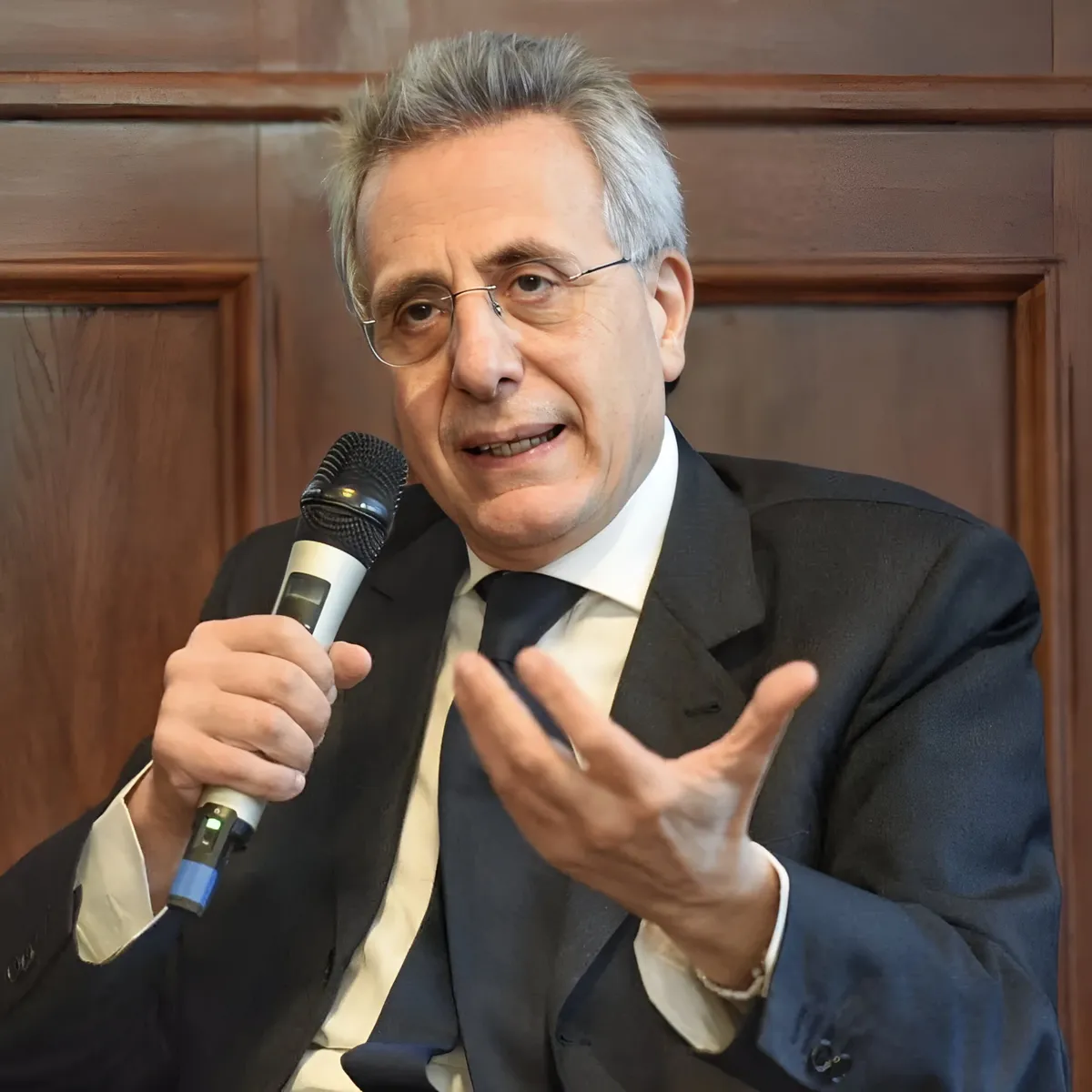
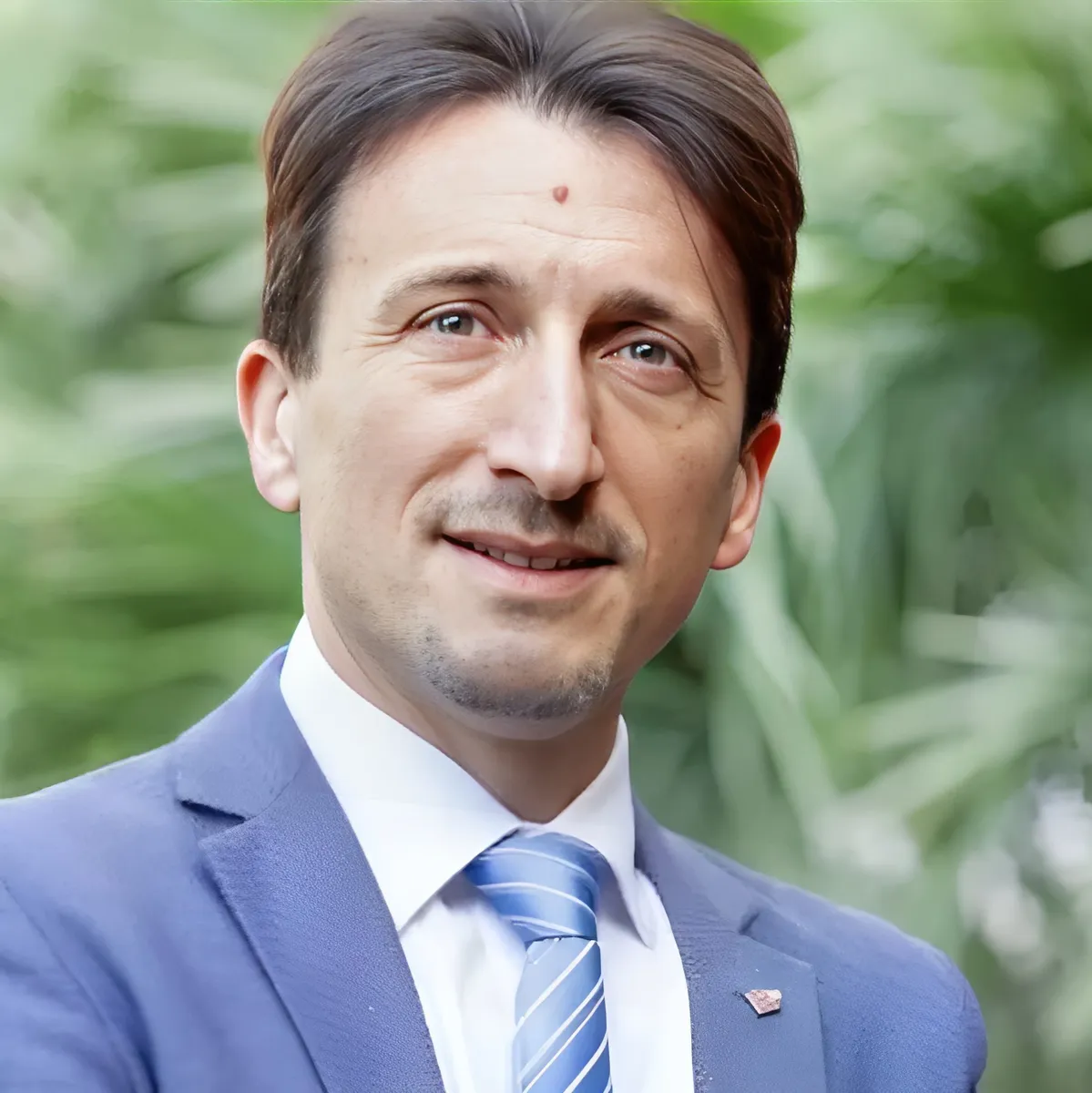
Eugenio Guglielmelli was born in Cosenza on May 8, 1965. He received the degree in Electronic Engineering and the PhD in Electronic Engineering (specialization in biomedical robotics) from the University of Pisa, in 1991 and 1994, respectively. CURRICULUM Full professor of industrial bioengineering (ING-IND/34) at the Faculty of Engineering of theUniversità Campus Bio-Medico di Roma, holds 2 courses at the Master's Degree level: Rehabilitation Bioengineering and Evaluation and Management of Biomedical Technologies. At the Campus Bio-Medico University, where he has been Pro-Rector for Research since 2013, he directs the Laboratory of Biomedical Robotics and Bio-micro systems. Between 2006 and 2009 he was a member of the Research Committee of the Integrated Research Center. From 2010 to 2013 he was Director of Studies of the Faculty of Engineering. From 1991 to 2004 he carried out uninterrupted teaching and research activities in the Class of Experimental Sciences of the Scuola Superiore Sant'Anna in Pisa, where from 2002 to 2004 he directed the Laboratory of Technologies and Systems for Advanced Robotics (ARTS Lab). He was Coordinator of the European project EVRYON (FP7, ICTFET program). He is currently a member of the coordination group of two common research projects on prostheses funded by the INAIL was Guest Editor of the Special Issue on 'Robotic Platforms for Research in Neuroscience' of the RSJ International Journal Advanced Robotics (vol. 21, no. 10, 2007 and vol. 22, no. 1, 2008); he is also Founding Member of the Editorial Board of the International Journal of Applied Bionics and Biomechanics (2006-2011). From 2016 to 2018, President of the Evaluation Unit of the IUSS - Scuola Superiore di Studi Universitari di Pavia. Since September 2018, Member of the federated Evaluation Unit SNS-SSSA-IUSS (Scuola Normale Superiore of Pisa, Scuola Superiore Sant'Anna of Pisa, Scuola Superiore di Studi Universitari di Pavia). From October 2018 Member of the National Scientific Qualification Commission (ASN) for Bioengineering, competition sector 09/G2. Since 2016 Member of the Steering Committee of the Stakeholder Board, main governing and coordination body, FET Flagship - Human Brain Project (www.humanbrainproject.eu).

Lawyer specializing in IT law and artificial intelligence. In 2018, he founded and currently serves as President of GP4AI – Global Professionals for Artificial Intelligence aps – ets GPi4 He is a National PhD student in Artificial Intelligence at the Campus Bio- Medico University of Rome. He teaches and provides professional training in various law-related master’s programs and courses at universities, institutions, and joint-stock companies (S.p.A.). He is a member of the international CIASU Study Group on Artificial Intelligence and Legal Systems. Author of scientific and popular publications, and a speaker at academic and professional training events. Former member of the IT Commission established by the Bar Association of Bari. Frequently a guest on television programs and interviewed by newspapers for his insight and expertise in artificial intelligence.

In 2005 he founded the journal Pervasive and Mobile Computing (Elsevier) and is currently Editor-in-Chief for the journal’s special issues.
From 2009 to 2018 he was Editor-in-Chief of the scientific journal Computer Communications (Elsevier). In 2016 he founded, and is now Editor-in-Chief of the scientific journal Online Social Networks and Media (Elsevier).
From November 2013 to October 2019 he was a member of the Board of Directors of the IMT Alti Studi Lucca School.From November 2015 to December 2018 he was vice president of the Board of Directors of RFX, a public-private consortium that operates in the field of controlled thermonuclear fusion.
Since January 2019 he has been a member of the Board of Directors of START 4.0 (“Security and optimization of strategic infrastructures 4.0”) and of the Technical Scientific Committee of ARTES 4.0 (“Advanced Robotics and enabling digital Technologies & Systems 4.0”).
He is a member of the Strategic Committee and the board of directors of EURid, the company which, on behalf of the European Commission, manages the registry of domain names for .eu. He is the scientific head of the CNR project for the new national doctorate qualification in Artificial Intelligence.

He is a deep learning researcher and entrepreneur specializing in the development of artificial intelligence systems designed for real-world deployment. He has led end-to-end AI product development across healthcare, industrial IoT (IIoT), and consumer applications, combining rigorous modeling with strong product vision to build systems capable of interpreting human intent and performing effectively under real-world constraints.
As Director of Artificial Intelligence at Spychatter and Spacenet, he led large-scale consumer and enterprise AI initiatives, overseeing model design, data pipelines, and production infrastructure. Later, as Principal Data Scientist at Theranova, he directed machine learning research and development for multiple med-tech ventures — spanning next-generation catheter guidance, neonatal feeding-tube analytics, and ICU time-series modeling — while building production-grade ML platforms for clinical and commercial use.
In the healthcare sector, Bucci designed and developed the software architecture and machine learning infrastructure that powered clinical studies and supported the commercialization pathway of a neonatal feeding-tube guidance system, culminating in a Scientific Reports publication on real-time tube placement and safety.
Previously, he founded GolfVision.ai, where he built the computer vision stack for a remote coaching app, and contributed to anomaly detection and model interpretability methods at Tagup, focusing on predictive maintenance.
His research spans both methodological innovation and clinical translation. He co-authored the Journal of Machine Learning Research article “Transferability of Spectral Graph Convolutional Neural Networks” (2021) and presented related work at the NeurIPS 2019 Graph Representation Workshop. He also contributes to peer-reviewed literature in clinical technology, including additional papers in Scientific Reports.
Across all his roles, Bucci focuses on reliability, privacy, and measurable impact — designing robust data lifecycles, implementing evaluation frameworks, and delivering features that drive meaningful performance improvements. He is widely recognized for his ability to translate research prototypes into scalable products, mentor cross-functional teams, and align ML roadmaps with regulatory and business goals.

He is a Full Professor of Computer Engineering (Scientific Sector ING-INF/05) at the University of Naples Federico II, within the Department of Electrical Engineering and Information Technologies.
He currently serves as Director of the National Laboratory of Artificial Intelligence and Intelligent Systems (AIIS) of CINI – the National Inter-University Consortium for Informatics, for the 2024–2027 term.
Within the University of Naples Federico II, he has held several administrative and governance roles, including serving as President of the University IT Services Center (CSI).
His research areas include machine learning, deep learning, image analysis and pattern recognition, image forensics, and network intrusion detection.

Gianluigi Greco is a Full Professor of Computer Science at the University of Calabria, where he has served as Director of the Department of Mathematics and Computer Science since 2018.
His research interests span several areas of Artificial Intelligence, including the study of methods and techniques for knowledge representation and automated reasoning, the design of coordination and collaboration mechanisms in multi-agent systems, and the development of algorithms grounded in principles of fairness within AI-based decision-making systems.
His scientific contributions have earned numerous awards at leading international conferences and journals, including the IJCAI Distinguished Paper Award (2018) and the IJCAI–JAIR Best Paper Award (2008).
He is an EurAI Fellow, the most prestigious honor bestowed by the European Association for Artificial Intelligence (EurAI). He has also received a Kurt Gödel Research Prize Fellowship from the Kurt Gödel Society and the AIxIA Marco Somalvico Award in 2009.
Professor Greco serves on the editorial boards of several major computer science journals and is Associate Editor of the Artificial Intelligence Journal.
Alongside his academic work, Professor Greco is active in technology transfer, coordinating initiatives in partnership with industry that focus on applying AI technologies to specific production chains. He also participates in the scientific boards of innovation and business acceleration hubs and has promoted the creation of AI-driven start-ups.

Nicola Vitiello is an Associate Professor at the BioRobotics Institute of the Scuola Superiore Sant’Anna (SSSA) in Pisa, where he leads the Wearable Robotics Laboratory. He currently serves as Rector of the Scuola Superiore Sant’Anna for the 2025–2031 term.
He is the co-author of over 80 ISI/Scopus-indexed scientific publications and co-inventor of more than 20 patents and patent applications.
Professor Vitiello has served as Scientific Secretary of the EU FP7 CA-RoboCom project and as Scientific Coordinator of the EU FP7 CYBERLEGs project. He is currently Scientific Coordinator of the H2020-ICT CYBERLEGs Plus Plus project and the national MOTU project, funded by INAIL, and he is also a partner in the H2020-ICT REHYB and H2020-ICT CONBOTS projects.
He is co-founder, director, and scientific advisor of IUVO S.r.l., a spin-off company of the Scuola Superiore Sant’Anna.

Massachusetts Institute of Technology, Ph.D. in Nuclear Engineering, 2001
Huazhong University of Science and Technology, PRC, B.S. in Optoelectronics, 1995
Professor, Department of Mechanical Engineering, Stanford University, September 2019 –
Associate Professor, Department of Mechanical Engineering, Stanford University, September 2011 – August 2019.
Assistant Professor, Department of Mechanical Engineering, Stanford University, July 2004 – August 2011.
Lawrence Postdoctoral Fellow, Directorate of Chemistry and Materials Science, Lawrence Livermore National Laboratory, June 2001 – June 2004.
Research Assistant, Department of Nuclear Engineering, Massachusetts Institute of Technology, September 1996 – June 2001.
Predicting mechanical strength of materials through theory and simulations of defect microstructures across atomic, mesoscopic and continuum scales. Developing new atomistic simulation methods for long time-scale processes, such as crystal growth and self-assembly. Introducing magnetic field in quantum simulations of electronic structure and transport.
AWARDS
Award of Scientific Achievement in the field of Dislocation Theory and Plasticity, Dislocations 2016 Conference
ASME Applied Mechanics Division Hughes Young Investigator Award 2013
ASEE Beer and Johnston Outstanding New Mechanics Educator Award 2009
AFOSR Young Investigator Program (YIP) Award 2006
NSF Career Award 2006
Presidential Early Career Award for Scientists and Engineers (PECASE) 2004
Lawrence Fellowship, Lawrence Livermore National Laboratory, 2001-2004
Graduate Student Award (Silver), Materials Research Society, Fall 2000
Manson Benedict Fellowship, Department of Nuclear Engineering, MIT, 1999
Chair of the Multiscale Materials Modelling (MMM) 2014 International Conference. Berkeley Marina, San Francisco Bay, Oct 6-10, 2014.
Editorial board - Modelling and Simulation in Materials Science and Engineering (MSMSE), Acta Mechanica Sinica, and International Journal on Applied Mechanics
Co-organizer of the Dislocations 2008 International Conference in Hong Kong.
http://dislocations2008.stanford.edu
Member - American Nuclear Society, American Physical Society, Materials Research Society, Alpha Nu Sigma Honor Society of American Nuclear Society, Sigma Xi Scientific Research Society

Researcher in Artificial Intelligence and Data Scientist
He is currently a postdoctoral research fellow at Queen’s University (Canada), where he conducts advanced research in artificial intelligence applied to biomedical data and intelligent systems for predictive analytics.
Previously, he served as a postdoctoral researcher at both McGill University and the École de Technologie Supérieure (ÉTS) in Montréal — two of Canada’s leading institutions in engineering and computational sciences — contributing to interdisciplinary projects focused on machine learning, data analytics, and digital health technologies.
He earned his Ph.D. in Biomedical Engineering from the University of Calgary (Canada), where his research focused on developing AI models for the processing of complex physiological signals and computer-assisted diagnostics.
He also holds a Master’s degree in Computer Science from the University of Campinas (UNICAMP), Brazil — one of the most prestigious universities in Latin America — and a Bachelor’s degree in Computer Engineering from the Pontifical Catholic University of Peru.
His scientific work centers on the integration of machine learning models, deep neural networks, and computational biomedicine, with the goal of developing innovative solutions for the diagnosis, monitoring, and prevention of complex diseases. He is the author and co-author of several peer-reviewed publications in international journals and actively collaborates with multidisciplinary research groups across Canada, Latin America, and Europe.
455 MARKET ST STE 1940,
SAN FRANCISCO CA 94105
455 MARKET ST STE 1940, SAN FRANCISCO CA 94105
Copyright © 2026 Autonomous Human Intelligence Corp - All Rights Reserved.
Powered by AHI